
Underground Mining Drilling Rigs
Underground mining drilling rigs are designed for drilling inside tunnels, headings and mine workings where machine dimensions, drilling coverage and maneuverability are critical. Synergy Rigs Kenya supplies underground mining drilling rigs for mine development, production drilling, long hole work and specialized underground applications. Equipment can be configured according to mine dimensions, rock conditions, hole requirements and operating environment.
Underground Mining Rig Types
Longhole Drilling Rigs
Suitable for longer production holes where depth, angle and positioning accuracy are important.
Compact Underground Rigs
Suitable for narrow access routes, confined headings and areas with limited turning space.
Low-Profile Drilling Rigs
Designed for underground workings where available operating height is restricted.
Production Drilling Rigs
Designed for planned drilling patterns used during underground ore extraction.
Face Drilling Rigs
Used for drilling blast-hole patterns across underground development faces.
Underground Drilling Applications
Tunnel and Drive Development
Secondary Rock Breaking
Narrow-Vein Mining
Production Mining
Longhole Stoping
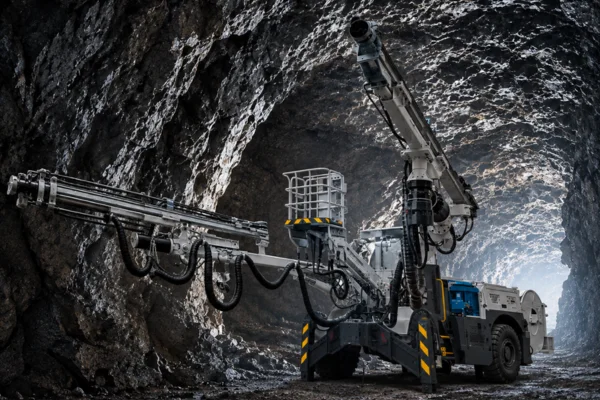
Underground Working Dimensions & Drill Coverage
Machine layout is especially important below ground because space is limited. The rig should fit the mine layout while providing sufficient coverage for the planned drilling pattern. Important operating factors include:
Tunnel width and height
Drill rod handling area
Stable rig positioning
Machine turning space
Working clearance
Feed length
Hole angle
Boom reach
Features of Underground Mining Drilling Rigs
Actual features vary according to the underground rig configuration.
Configurations for development and production work
Stable underground positioning
Compact machine dimensions
Hydraulic drilling controls
Controlled feed movement
Rock-drilling capability
Multiple drilling angles
Boom positioning system
Practical rod handling
Low-profile options
Why Choose Synergy Rigs Kenya?
Technical and Spare Parts Support
Customers can discuss underground operating requirements and compatible replacement components before equipment supply.
Underground-Specific Equipment
Rig configurations can be matched to mine height, heading width and drilling coverage requirements.
Development and Production Options
Suitable equipment can support face drilling, production drilling and longhole applications.
Rock-Condition Matching
Drilling tools and systems can be matched to hard, abrasive and varying underground formations.
Compact Machine Platforms
Low-profile and narrow-access configurations can be considered for confined mine layouts.
Supporting Drilling Equipment
Compatible rods, bits and drilling components can be supplied according to the rig setup.
Frequently Asked Questions
1. Which rig is suitable for low-height underground mines?
Low-profile rigs are designed for restricted mine heights, but overall dimensions and drilling coverage should be checked against the mine layout.
2. What is the difference between face drilling and production drilling?
Face drilling advances underground tunnels and headings, while production drilling creates holes used during ore extraction.
3. When is a longhole drilling rig required?
Longhole rigs are used where longer production holes must be drilled at controlled depths and angles.
4. Can underground rigs drill hard rock?
Yes. Suitable rigs can use rock-drilling systems and tooling matched to hard and abrasive formations.
5. Why is boom coverage important underground?
Boom coverage determines how much of the drilling pattern can be reached without repeatedly repositioning the machine.
6. What machine dimensions should be checked before purchase?
Check machine height, width, length, turning space and required operating clearance.
7. What affects underground mining rig price?
Price depends on drilling system, boom configuration, machine dimensions, hydraulic equipment and drilling capacity.
8. What information is required before ordering an underground rig?
Provide mine dimensions, drilling application, hole depth and diameter, rock conditions, required coverage and access limitations.